Flat-Rate vs. Hourly Plumber Pricing: Which Saves You More in Denver?
By Brothers Plumbing11 min read
For most Denver homeowners, flat-rate plumbing pricing saves more money. Common repairs include drain clogs, fixture replacements, and water heater installs. The price is locked in before work starts. Hourly billing can cost less only for very simple, fast jobs. Flat-rate also eliminates the risk of bill creep when complications arise in older homes.
What Is the Difference Between Flat-Rate and Hourly Plumber Pricing?
The core distinction between these two billing models comes down to financial risk. Who carries it when a job runs long? Flat-rate pricing gives Denver homeowners one fixed price. The scope of work is defined and agreed upon in writing. This happens before the technician touches a single pipe. Hourly pricing charges for every minute the plumber is on site. Parts and materials are billed separately at cost-plus markups. Denver's housing stock ranges from pre-1920 bungalows to modern builds. That risk distinction matters enormously. Nationally, standard plumbers charge $75 to $150 per hour and master plumbers command $100 to $200 per hour, with service call fees adding another $75 to $300 on top (serviceagent.ai). One licensed insured Denver plumber has been quoted at $300 per hour in 2026. That spread alone tells you the hourly market in Denver is not uniform, and that variance is precisely why the pricing model you choose matters.
How Does Flat-Rate Plumbing Pricing Work?
A flat-rate technician diagnoses the problem first. Then they present a single price covering all labor and standard parts before any work begins. The homeowner approves or declines. If the job takes longer than the company estimated, the homeowner pays nothing extra because the company absorbs the overrun. Price books used by reputable flat-rate plumbers in Denver are updated regularly to reflect current Colorado material costs and local labor market conditions. Flat-rate pricing generates 15-20% higher revenue per call for contractors, which means companies using this model are incentivized to invest in faster, better-trained technicians to protect their margins (build-folio.com). That incentive aligns the plumber's efficiency with the homeowner's interest. Reputable flat-rate companies will itemize what is included so you can compare quotes accurately across Denver providers. At Brothers Plumbing, we provide that written breakdown on every service call before a single wrench turns.
How Does Hourly Plumbing Billing Work?
Under hourly billing, the clock starts when the technician arrives. It stops when the job is complete. Drive time or a truck stock fee may apply on top of the labor rate. A job estimated at two hours can stretch to four if unexpected issues arise, doubling the labor portion of your bill. Hourly contractors may also charge a separate service call or diagnostic fee regardless of whether you proceed with the repair. Denver repair jobs often end up in the $300 to $800 range once parts and labor are combined, and emergency service adds further fees on top of that baseline. The fundamental problem with hourly billing is that you cannot know your final cost until the job is finished. That uncertainty is manageable for a 20-minute faucet tightening. It is not manageable for a water heater replacement or a main line drain clearing in a 1950s Denver home.
Feature-by-Feature Comparison: Flat-Rate vs. Hourly Plumbing
Comparing these two models across specific performance dimensions reveals clear winners in most categories. Price predictability strongly favors flat-rate because the total is known and locked before work begins. Transparency at the point of sale is higher with flat-rate because you sign off on a number before anything happens. Hourly billing creates a misaligned incentive where a slower technician or an inefficient workflow directly increases your cost, not the company's. Flat-rate companies in Denver typically carry full Colorado state licensing, bonding, and liability insurance because their standardized process model demands it. Colorado now requires contractors to display their plumbing contractor registration number and the license number of their responsible master plumber on vehicles, billing materials, bid sheets, and websites after June 30, 2025 (dpo.colorado.gov). That requirement applies regardless of pricing model, but flat-rate companies operating at scale are more consistently compliant because their entire business model depends on documented, auditable processes.
Which Pricing Model Is More Transparent for Denver Homeowners?
Flat-rate pricing is more transparent because you see the full cost upfront and can approve or decline before any work begins. Hourly invoices often include ambiguous line items like "miscellaneous supplies," "truck stock," or a "shop materials" charge that are difficult to audit or contest after the fact. Denver's competitive home services market has pushed flat-rate adoption higher because consumers increasingly demand written estimates before scheduling. Several local providers now explicitly emphasize upfront or flat-rate quotes in their marketing, reflecting genuine demand from homeowners who have been burned by open-ended hourly bills. Colorado does not mandate a specific pricing model, so you must ask explicitly how you will be billed. Get that answer in writing before you schedule. The hidden cost risk in hourly billing goes beyond just labor time. Trip fees, diagnostic charges, permit-pulling fees billed separately, and parts markups can collectively add $150 to $300 to a job that was quoted as "just an hour or two."
Does Flat-Rate or Hourly Pricing Produce Lower Final Bills?
For jobs with a clear, simple scope, flat-rate and hourly costs are often comparable. The difference emerges when complications arise. When a job runs longer than expected due to corroded fittings, difficult access, or a code-required upgrade discovered mid-job, hourly bills can exceed flat-rate quotes significantly. Simple repairs like replacing a toilet flapper or tightening a supply line may cost less on an hourly basis if completed in under 30 minutes. Complex jobs like water heater replacement, main line repiping, sewer camera inspection, or drain clearing in older Denver homes almost always favor flat-rate for total cost predictability. A job that starts at the baseline and runs long can quickly climb well past what a flat-rate quote would have charged.
Pros and Cons of Each Pricing Model for Denver Homeowners
Both pricing models have legitimate use cases. Understanding the trade-offs clearly is how you make the right call for your specific situation in Denver. Flat-rate pros include price certainty, protection from job overruns, easier budgeting, and a simpler approval process where you know your maximum exposure before work starts. Flat-rate cons include the possibility of paying slightly more than hourly on very fast, simple repairs and the requirement that you trust the company's price book is honest and current. Hourly pros are straightforward: it can be cheaper for tiny, well-defined jobs. Hourly cons are significant: total cost is unknown until the job ends, the model incentivizes inefficiency, parts markups are opaque, and after-hours surcharges compound quickly on emergency calls. Denver-specific context matters here. Older homes built before 1970 in neighborhoods like Berkeley, Whittier, or Barnum frequently hide surprises including galvanized pipes, failed shutoff valves, and non-standard fittings that inflate hourly bills in ways neither the homeowner nor the plumber anticipated at the start.
When Does Hourly Plumbing Pricing Actually Work in Your Favor?
Hourly pricing works in a homeowner's favor when the job is extremely well-defined, is likely to complete in under one hour, and no hidden conditions are plausible. Consider this scenario: a homeowner in a newer Stapleton build needs a single accessible shutoff valve replaced. The pipes are copper, the access is open, and the home has no known plumbing history issues. Paying for 45 minutes of labor plus parts at an hourly rate may undercut a flat-rate quote in that specific case. Other examples include fixing a running toilet in a home built after 2000, installing a pre-purchased faucet with existing compatible supply lines, or tightening a visible compression fitting. Even in these cases, get a written not-to-exceed cap on the hourly job before work starts. Without that cap, you carry unlimited financial exposure from the moment the technician opens the door.
When Does Flat-Rate Plumbing Pricing Protect You Most?
Flat-rate provides the greatest protection when the final scope is uncertain at the start, which describes the majority of real plumbing calls in Denver. Water heater replacement, sewer line diagnostics, drain clearing, home repiping, and permit-required work all carry high variance in actual time needed. Denver's aging housing stock means that even routine jobs can uncover corroded fittings, improper previous repairs, or non-code-compliant installations that add hours to the labor clock. Emergency plumbing situations amplify this risk further. Emergency plumbing rates nationally reach $150 to $500 per hour, and those rates apply to every additional hour of an already complex job (serviceagent.ai). Flat-rate locks your price even on emergency calls. For example, consider a homeowner in a 1960s Cheesman Park bungalow whose main sewer line backs up on a Sunday evening. Under hourly billing at $150 per hour plus emergency surcharges, a three-hour camera inspection and clearing could easily exceed $1,200 (serviceagent.ai). The same job on flat-rate pricing with Brothers Plumbing locks in at a fixed price before the technician arrives, giving the homeowner certainty during an already stressful situation.
Flat-Rate vs. Hourly Plumber Cost Comparison Table for Common Denver Jobs
The table below compares both pricing models across common Denver residential plumbing jobs. The flat-rate ranges reflect typical all-in prices from licensed Denver providers. The hourly ranges use the $100 to $200 per hour master plumber rate plus typical parts markups, based on verified national benchmarks (serviceagent.ai). Actual totals vary by home age, access difficulty, and whether permits are required.
The data is clear. For water heater replacement and drain cleaning in Denver, flat-rate pricing caps your exposure at a known number. Hourly billing on those same jobs can land anywhere in a wide range depending on what the technician finds once the work begins. Denver repair jobs frequently end up in the $300 to $800 range once parts and labor are combined under hourly billing. A flat-rate quote on those same jobs gives you a ceiling, not a starting point.
Verdict: Which Plumber Pricing Model Should Denver Homeowners Choose?
For the majority of Denver residential plumbing needs, flat-rate pricing is the safer and more cost-effective choice. The combination of older housing stock, high emergency service demand, and Colorado's semi-arid climate with hard water conditions means jobs rarely stay simple. Hard water accelerates mineral buildup in water heaters, supply lines, and fixture valves, adding complexity to jobs that look routine from the outside. Hourly billing on a fixture replacement can turn into a multi-hour invoice the moment a corroded shutoff valve refuses to seat properly or a supply line connection reveals non-standard threading from a prior repair. Our team at Brothers Plumbing has seen this pattern repeatedly in Denver neighborhoods where homes range from 50 to 100 years old. Flat-rate eliminates that exposure entirely. The best flat-rate companies back their pricing with guarantees, licensed Colorado technicians, and same-day availability so homeowners are not trading price certainty for slower response. Brothers Plumbing, Heating and Electric uses flat-rate pricing across all Denver service calls, providing a written quote before work begins on every job.
What Questions Should You Ask a Denver Plumber Before Accepting a Quote?
Before you accept any plumbing quote in Denver, ask these questions directly and get the answers in writing. First: is this quote flat-rate or hourly, and is there a not-to-exceed guarantee if it is hourly? Second: are parts and materials included in the quoted price, or will they be billed separately at a markup? Third: is there a diagnostic or service call fee that applies regardless of whether you proceed? Fourth: does the technician hold a current Colorado state plumber's license, and does the company carry general liability insurance? Colorado requires master plumber applicants to document 6,800 hours of verified plumbing experience before licensing (nextinsurance.com), so a licensed technician represents a meaningful quality threshold. Fifth: does this job require a permit, who pulls it, and is the cost included in your quote? Permit-pulling fees billed separately can add $100 to $300 to a job that looked fully priced at first glance. Ask all five questions before you schedule. Results speak louder than promises.
Frequently Asked Questions
Is flat-rate plumbing more expensive than hourly in Denver?
Not for most jobs. Flat-rate plumbing in Denver costs about the same as hourly on straightforward repairs and is often cheaper on complex ones. When a job runs long due to corroded pipes or hidden access issues, flat-rate caps your cost while hourly billing continues climbing with no ceiling.
Can a Denver plumber charge more than the flat-rate quote after the job is done?
No. A legitimate flat-rate quote is a binding price agreed upon before work starts. If new work outside the original scope is discovered, the plumber must present a separate written quote for your approval before proceeding. You should never receive a final invoice higher than your approved flat-rate quote.
What is the average plumber hourly rate in Denver, Colorado?
Denver plumber wages average $29.08 per hour at the technician level, ranging from $22.78 to $43.92 per hour depending on experience and license tier. However, what homeowners pay is higher once overhead, dispatch fees, and profit margins are added. Some Denver providers bill at $300 per hour for licensed, insured master plumber service.
Does Brothers Plumbing use flat-rate or hourly pricing?
Brothers Plumbing, Heating and Electric uses flat-rate pricing on all Denver residential service calls. A written quote covering all labor and standard parts is presented before any work begins. Homeowners can approve or decline with no obligation. There are no surprise charges after the job is complete.
What plumbing jobs are most likely to have cost overruns on an hourly basis in Denver?
Water heater replacement, main drain clearing, sewer line diagnostics, and repiping carry the highest overrun risk on hourly billing in Denver. Older homes in neighborhoods like Berkeley, Whittier, and Barnum frequently hide corroded shutoff valves, galvanized pipe sections, and non-standard fittings that add hours to any job scope.
What are typical flat-rate plumbing prices in Denver?
Typical Denver flat-rate prices range from $150 to $350 for drain cleaning, $150 to $250 for toilet repairs, and $1,200 to $2,000 for water heater replacement. These all-in prices include labor and standard parts. Prices vary by job complexity, home age, and whether permits are required for the work.
When does hourly billing cost less than flat-rate?
Hourly billing costs less only when a job is extremely simple, finishes in under one hour, and no hidden complications are likely. Examples include replacing a single accessible shutoff valve in a newer home or tightening an exposed compression fitting. Even then, request a written not-to-exceed cap before the technician starts.
Are flat-rate quotes common for water heater repairs?
Yes. Many reputable Denver plumbing companies, including Brothers Plumbing, provide flat-rate quotes for water heater replacement and repairs. Water heater jobs involve permit requirements, variable labor time, and parts costs that make flat-rate pricing the standard approach for transparent, predictable billing on this type of work.
How can I compare plumbing estimates in Denver?
Request written quotes from at least three licensed Denver plumbers. Confirm whether each quote is flat-rate or hourly, whether parts are included, and whether a service call fee applies. Check that each company displays a current Colorado plumbing contractor registration number and master plumber license number as required by Colorado law.
What hidden fees should I watch for in plumber pricing?
Watch for diagnostic or service call fees charged before any work begins, parts markups billed separately at 20% to 100% over supplier cost, truck stock or shop materials surcharges, permit-pulling fees not included in the base quote, and after-hours or emergency surcharges that stack on top of the standard hourly rate.
Sources & References
About the Author
Brothers Plumbing
Brothers Plumbing is a Denver-based family-owned home services company offering flat-rate plumbing, heating, electrical, and drain solutions with over 40 years of local expertise and same-day availability.
Related Posts
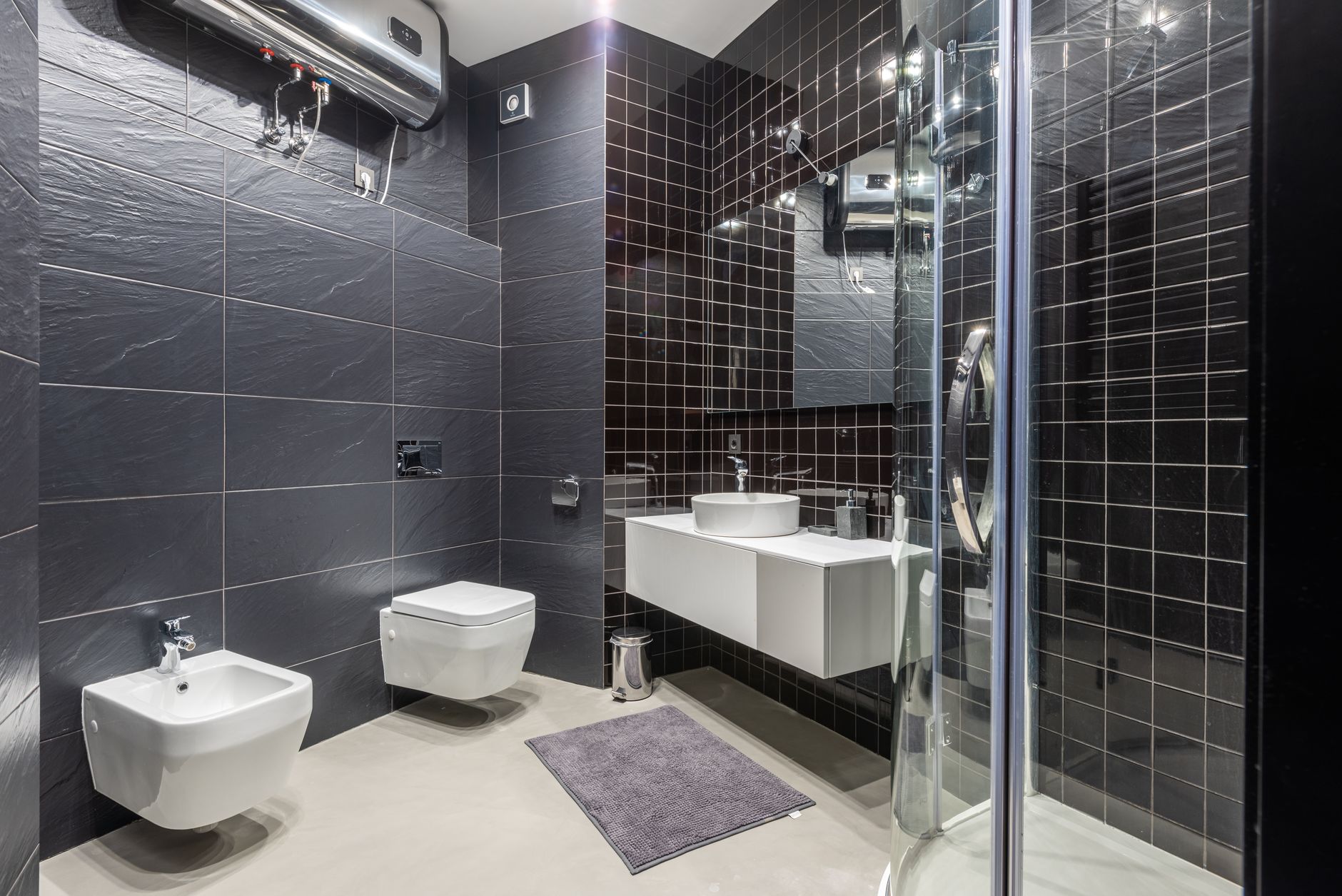
Tank vs. Tankless Water Heaters: What Works Best at Denver's High Altitude?
Denver's 5,280-foot elevation forces water heaters to work harder, and the wrong choice can cost you in performance and efficiency. This comparison breaks down how tank and tankless systems perform at altitude, what installation really costs in the Denver metro, and which option makes the most sense for your home.
12 min read
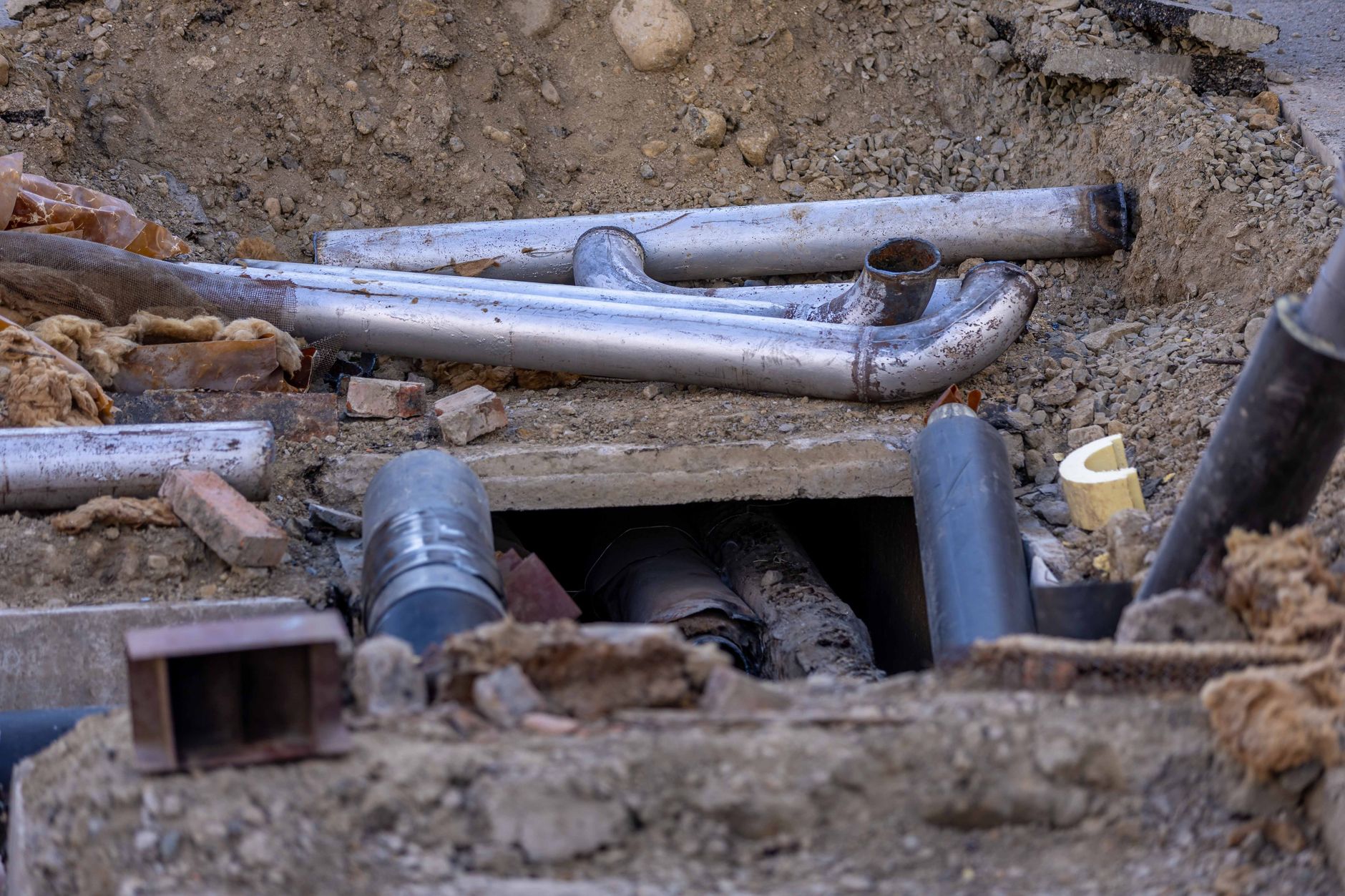
Trenchless vs. Traditional Sewer Repair in Denver: Cost, Timeline, and Best Use Cases
Choosing between trenchless and traditional sewer repair in Denver comes down to cost, your yard layout, pipe condition, and how fast you need the fix. This guide breaks down both methods side by side so Denver homeowners can make a confident, informed decision before calling a plumber.
13 min read